
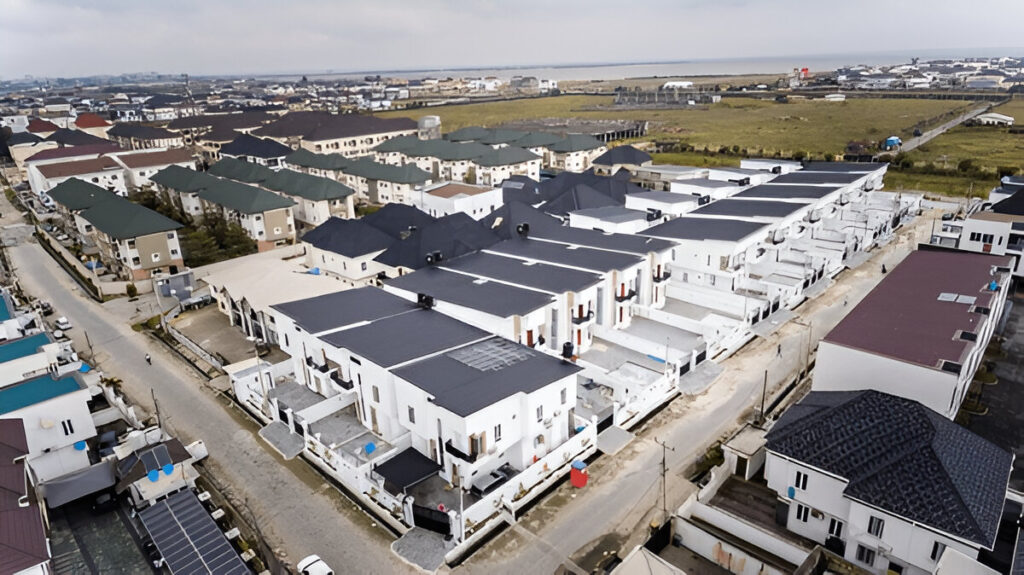
Nigeria’s real‐estate sector has recently achieved a milestone: following the latest GDP and CPI rebasing by the National Bureau of Statistics (NBS), it has overtaken the oil & gas industry to become one of the top contributors to the economy. The shift underscores rising demand for housing and property development, driven by population growth, urbanisation, and rising middle-class expectations.
For companies such as Jeso Global, this macro trend offers clear opportunities. Already established in real-estate development, Jeso Global is well placed to supply the much-needed housing stock. The housing deficit in Nigeria is estimated at over 28 million units (with annual build requirements of ~700,000 homes) and this gap continues to drive demand.
In practical terms, Jeso Global can leverage this momentum by:
-
positioning residential projects in high-growth corridors (e.g., Abuja, Adamawa) where demand for quality housing is strong;
-
aligning product types with market needs (e.g., affordable-priced 2-bedroom flats, semi-detached bungalows) to meet the segment that is most underserved;
-
emphasising value delivery (access, amenities, good construction standards) as buyers become more discerning.
Moreover, because real-estate now has greater economic weighting, developers will find more favourable conditions (e.g., easier financing, stronger investor appetite). Jeso Global’s dual-industry experience (real estate + upstream/downstream in oil & gas) also gives it a differentiated position: for example, it could incorporate infrastructure and services into its estates (e.g., gas/CNG supply, energy solutions) that other developers may not.
In summary: The macro shift favours property development. For Jeso Global, the time is right to scale, to deliver homes that meet the huge unmet demand, and to build a brand around high-quality, strategically located housing. With the right execution, Jeso Global can emerge as a leader in Nigeria’s booming real-estate market.